Landscaping needs precision, power, and flexibility — and few machines deliver all three like a skid steer. Whether you're reshaping a backyard or prepping a commercial site, a skid steer helps you work fast without cutting corners.
In this guide, you'll learn how to use a skid steer on the job -- site prep, attachments, safe operation, and maintenance. We'll also cover what a skid steer typically costs and how landscaping contractors finance one without tying up working capital. See your estimate low monthly payment in seconds.
In this article…
- Why Use a Skid Steer for Landscaping
- Evaluate and Prep the Job Site
- Choose the Right Attachments
- Operate the Skid Steer Safely and Effectively
- Clean Up and Move Materials
- Maintain Your Equipment
- Real-World Uses for Skid Steers in Landscaping
- Final Tips for Contractors
- What a Skid Steer Costs (and How to Finance Once)
- Wrapping Up
- Frequently Asked Questions
We’ll cover planning, attachments, tips, safety, and maintenance, so you can get the most out of your machine.
Why Use a Skid Steer for Landscaping
A skid steer is a powerful and flexible machine. It’s strong enough for tough jobs but small enough to fit in tight spaces. The quick-attach system lets you switch tools fast, so it's great for many kinds of work.
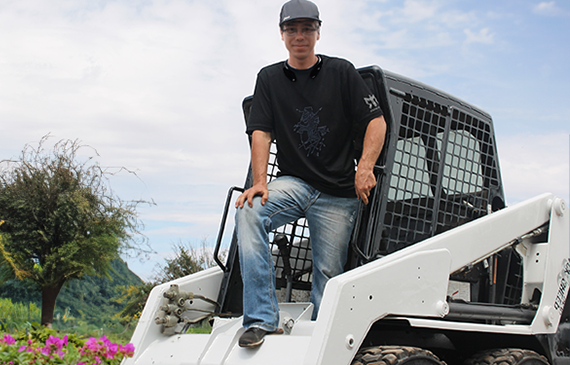
With the right attachments, a skid steer can:
- Clear brush and debris
- Level soil
- Dig holes and trenches
- Move gravel, mulch, or pallets
- Prep foundations or install hardscaping
For contractors, this means fewer machines on-site, faster work, and more flexibility when plans change.
Evaluate and Prep the Job Site
Before you start, walk to the job site. Look for key work areas, hidden risks like buried lines or rocks, and access issues like tight gates or soft ground.
In residential areas, think about noise and space limits. On commercial jobs, plan around traffic and staging zones. Good prep helps you avoid mistakes later.
Once you've checked the site, mark the work zones with flags or paint. Break it down into clear stages—like clearing, grading, and hauling. This keeps your workflow smooth and saves time.
Choose the Right Attachments
Your skid steer is only as good as its tools. Picking the right attachment makes the job quicker and easier.
For most landscaping tasks:
- Bucket -- Move dirt, gravel, and mulch.
- Grading blade/leveler -- Create smooth surfaces or shape slopes.
- Auger -- Dig holes for posts or trees.
- Landscape rake -- Clear roots and rocks, smooth the soil.
- Pallet fork -- Carry heavy items like pavers or sod.
Tip: Always make sure each attachment is locked in and tested before you begin. Quick couplers help, but double-check for safety.
Operate the Skid Steer Safely and Effectively
When you're ready to go, start with the tough jobs—like clearing or rough grading. Save tasks like leveling and cleanup for last.
Keep the bucket low when carrying loads. This improves balance and helps you see. When grading, take shallow passes instead of deep cuts. If you’re working on a slope, start high and move downhill.
Watch your surroundings -- especially near buildings or fences. When backing up, go slow and use mirrors. If you can’t see well, have a spotter guide you.
For trenching or auger work, make sure the ground is flat. Use steady pressure and let the attachment do the work. Don’t force it—it can cause damage.
Clean Up and Move Materials
After digging or grading, switch your skid steer to cleanup mode. Use the bucket to scoop up soil, roots, or rocks. To spread mulch or gravel, move slowly and control the flow for even coverage.
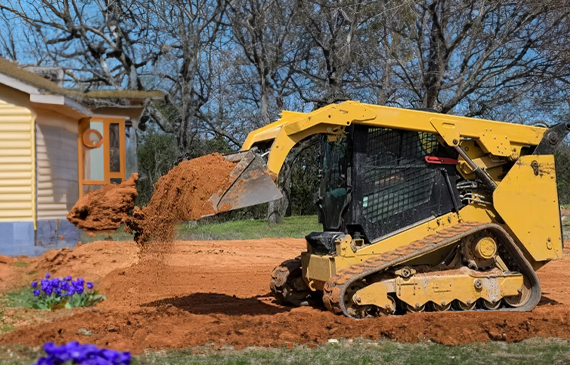
When using pallet forks, keep the load level and balanced. Go slow and avoid sharp turns—especially on bumpy ground. If you’re working on grass, use rubber tracks or mats to avoid damage.
Once the heavy work is done, finish with the rake or leveler. This preps the site for plants, sod, or hardscaping.
Maintain Your Equipment
To keep your skid steer running strong, do daily checks—especially during busy seasons. Each morning, walk around and inspect the machine.
Look for:
- Low fluids (oil, coolant, hydraulic)
- Worn tires or tracks
- Leaks or damaged hoses
- Loose bolts or worn pins
- Dirty air filters or radiators
Clean the machine daily, especially near moving parts. Keeping it clean prevents wear and keeps controls smooth.
Track your machine hours and follow service schedules for oil changes and filter swaps. Regular maintenance keeps your skid steer working longer—and helps avoid breakdowns.
Real-World Uses for Skid Steers in Landscaping
Here are some common jobs where skid steers shine:
- Residential grading -- Create smooth lawns or patio areas with a grading blade.
- Tree planting -- Use an auger for fast, even holes.
- Spreading mulch or rock -- A bucket helps spread materials quickly and evenly.
- Building retaining walls -- Use pallet forks to move blocks and backfill with the bucket.
Final Tips for Contractors
Using a skid steer is not just about power—it’s also about planning. Know your site, use the right tools, and follow safety steps. This leads to faster work, better results, and happier clients.
If landscaping is a regular part of your work, consider investing in high-quality attachments. They may cost more up front, but they’ll pay off in speed and flexibility.
What a Skid Steer Costs (and How to Finance Once)
A new skid steer typically runs $25,000 to $80,000+ depending on size, brand, lift type (radial vs. vertical), and attachments. Used machines can come in lower, but expect to spend more on maintenance.
For most landscaping contractors, paying cash isn't the smart move — it ties up working capital you need for fuel, payroll, and seasonal slowdowns. Equipment financing lets you spread the cost over the machine's useful life and put it to work earning revenue from day one.
Even first-time business owners can qualify. Start-up-friendly programs are designed for contractors who've been in business under two years, and you can get pre-qualified without a hard credit pull.
Want a deeper walkthrough? Read our full guide: How to Finance Your First Skid Steer
Listen to this podcast episode
Wrapping Up
A skid steer is more than a machine -- it’s a landscaping workhorse. With the right tools and know-how, it can handle all kinds of jobs safely and efficiently. Whether you’re clearing brush or building out a full design, learning to use your skid steer well gives you a serious edge.
If you need help getting a skid steer, Beacon Funding can help. We offer financing options to make buying one easier. With our skid steer financing, you can grow your landscaping business without breaking the bank.
If you're ready to add a skid steer to your fleet, Beacon Funding can help. We finance new and used skid steers for landscaping and hardscaping contractors (including first-time business owners) with flexible terms structured around your equipment's useful life.
Apply for skid steer financing in 2 minutes.
Or calculate your low monthly payment before you apply.
Frequently Asked Questions
What can a skid steer do for landscaping?
A skid steer can clear brush and debris, grade and level soil, dig holes and trenches, move gravel, mulch, or pallets, and prep foundations for hardscaping. With quick-attach tooling, one machine can replace several specialized pieces of equipment on a job site.
How much does a skid steer cost for landscaping?
New skid steers typically range from $25,000 to $80,000+ depending on size, lift type (radial vs. vertical), brand, and attachments. Used machines cost less upfront but often carry higher maintenance expenses over time.
What attachments do landscaping contractors use most?
The most-used skid steer attachments for landscaping are the bucket (for dirt, gravel, and mulch), grading blade or leveler (for smooth surfaces and slopes), auger (for planting and post holes), landscape rake (for clearing roots and rocks), and pallet forks (for carrying pavers, sod, or retaining wall blocks).
Can I finance a skid steer if I'm a new landscaping business?
Yes. Startup-friendly equipment financing programs are available for landscaping contractors who have been in business under two years. You can typically get pre-qualified without affecting your credit score, and financing lets you preserve working capital for fuel, payroll, and seasonal slowdowns.
Is it better to buy or lease a skid steer for landscaping?
It depends on how often you use the machine and how long you plan to keep it. Buying with financing builds equity and makes sense for contractors who will run the machine for years. Leasing makes more sense for shorter-term needs, lower monthly payments, or when you want the option to upgrade equipment more frequently.