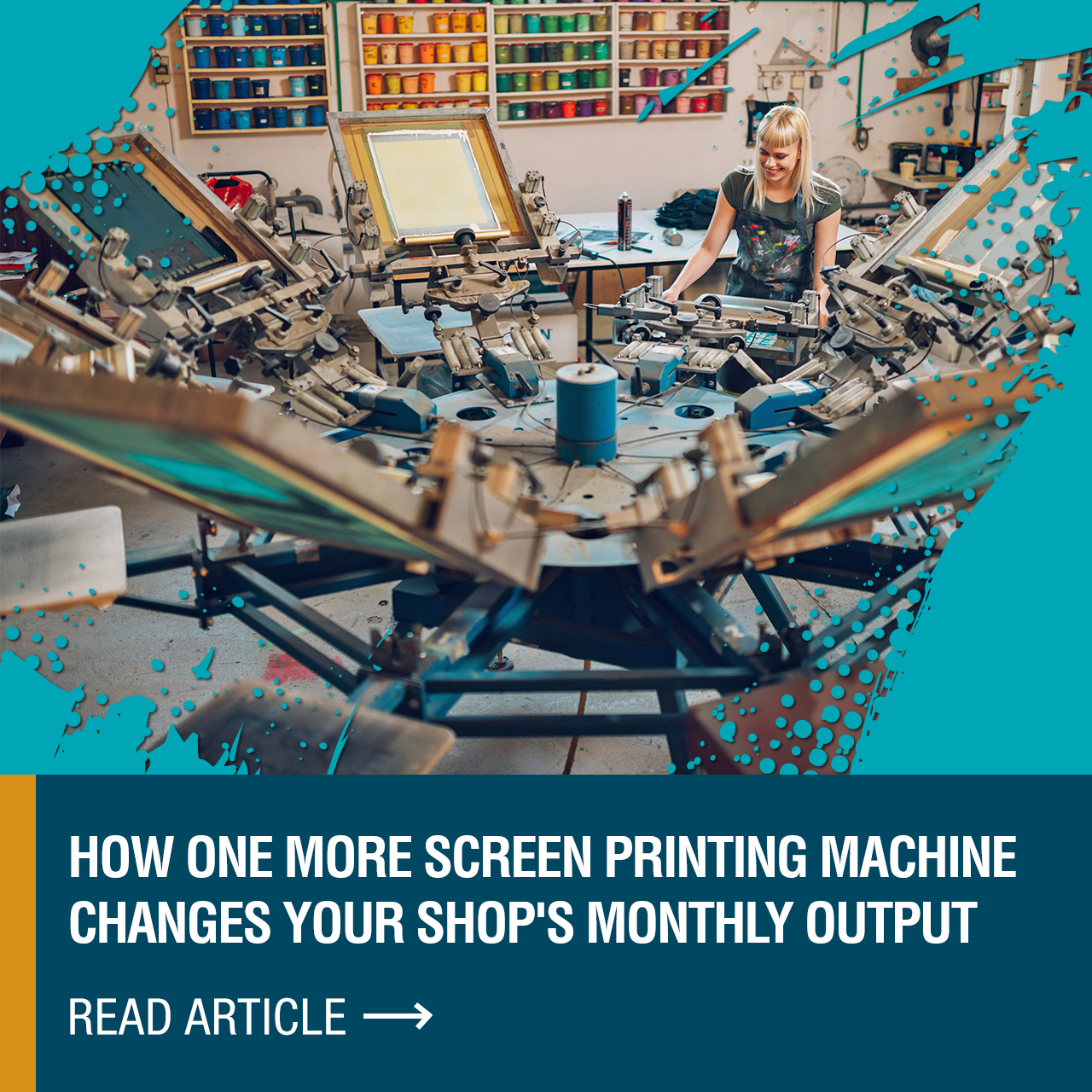
Adding one more screen-printing machine can nearly double a decorated apparel shop’s daily output, shorten turnaround times, and unlock new revenue without draining cash reserves.
This article explains how a second press impacts daily output, labor efficiency, and scheduling flexibility using real-world production math.
If your shop is consistently booked out, running overtime, or turning away orders, this article will help you evaluate whether expanding capacity makes financial sense.
In this article…
- When Demand Outpaces Your Press, Growth Gets Hard
- Understanding Common Production Bottlenecks
- Capacity Math: What One More Machine Actually Does
- What That Capacity Increase Means for Revenue
- Faster Turnaround Times Protect Your Reputation
- Labor Efficiency Improves, Not Just Output
- The Real Cost of Waiting to Expand
- Second Press or an Upgrade? How to Choose
- What Is Screen Printing Equipment Financing?
- Equipment Financing vs. Paying Cash
- When Does a Second Machine Pay for Itself?
- Plug In Your Own Numbers
- How Beacon Funding Supports Decorated Apparel Shops
- Signs You’re Ready for Another Machine
- Frequently Asked Questions
When Demand Outpaces Your Press, Growth Gets Hard
Most decorated apparel shops stay busy.
Long days, tight schedules, and sometimes turning away orders simply because production can’t keep up. When order volume increases, relying on a single press quickly becomes a constraint.
Adding another screen-printing machine:
- Increases capacity
- Reduces operational stress, and
- Creates room for profitable growth
But the upfront investment can feel intimidating.
The numbers below give you a clearer picture of what an additional press can realistically do for your shop.
Understanding Common Production Bottlenecks in Screen-Printing Shops
A production bottleneck is any point in your workflow that limits total output. For many small to mid-sized screen-printing shops, that bottleneck is the press itself.
Common bottlenecks include:
- Limited press availability
- Long setup times between jobs
- Rush orders disrupting scheduled production
- Staff waiting for machine access
- Overtime caused by tight schedules
When your shop relies on one manual or automatic press, you’re left with fewer daily job slots, longer turnaround times, and higher stress during peak seasons.
A note worth being honest about: Adding a second press doesn’t shorten setup time per job. It can multiply it.
Two presses mean two screens to burn, two ink stations to load, and two color changes to sequence.
The advantage isn’t faster setup, it’s parallel setup. While one press finishes a long retail run, the second is being prepped for the next job. The win is fewer dead-time gaps between jobs, not faster job starts.
Shops that gain the most are the ones already booked tight enough that those gaps add up to lost revenue. If your real bottleneck is screen reclamation, art prep, or pre-treatment, a second press won’t fix it. Fix those constraints first.
Capacity Math: What One More Machine Actually Does
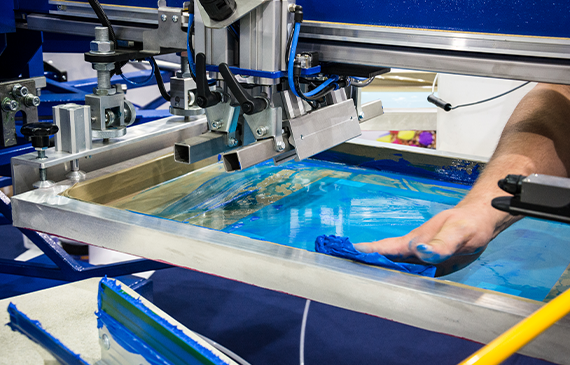
Let’s look at simple production math.
A One-Machine Shop
Assume one automatic press produces:
- 300 shirts per hour
- 6 productive printing hours per day
That equals: 300 x 6 = 1,800 shirts per day
After accounting for setup time, color changes, and interruptions, real-world output typically drops to: 1,400 – 1,600 shirts per day.
Adding a Second Press
Now add a second press with similar capabilities:
- 300 shirts x 6 hours x 2 presses = 3,600 shirts per day (theoretical)
Even with staffing adjustments and efficiency loss, a realistic output is: 3,000 to 3,200 shirts per day.
That’s nearly double your screen printing shop capacity.
What That Capacity Increase Means for Revenue
If your average revenue per printed shirt is $6:
| Current Production |
1,600 shirts x $6 |
= $9,600 per day |
| With an additional machine |
3,000 shirts x $6 |
= $18,000 per day |
Even using only 70% of new capacity creates meaningful revenue upside. At this point, the equipment investment becomes a strategic one.
Faster Turnaround Times Protect Your Reputation
Capacity is about volume and speed.
With one press:
- Rush jobs disrupt scheduled work
- Large orders delay smaller clients
- Peak seasons create backlogs
With two presses:
- One press runs long production jobs
- The other handles short or rush orders
- Scheduling becomes flexible
Faster turnaround times lead to:
- Higher customer satisfaction
- More repeat business
- Opportunities to charge rush fees
During busy seasons, increased capacity also protects your shop’s reputation.
Labor Efficiency Improves, Not Just Output
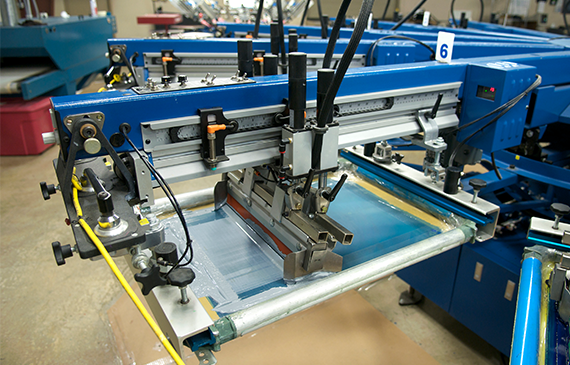
Adding another screen printing machine doesn’t automatically double labor costs. In many cases, it allows you to:
- Reduce overtime
- Cross-train existing staff
- Balance shifts more effectively
| Scenario |
One Machine |
Two Machines |
| 5,000-shirt order |
Blocks entire day |
Runs on one press |
| 200-shirt rush job |
Delays main order |
Runs simultaneously |
| Staff downtime |
Higher |
Lower |
A balanced workflow reduces chaos and improves morale.
The Real Cost of Waiting to Expand
Many owners say, “I’ll wait until I can pay cash.” But waiting has hidden costs.
If you turn away:
- Two 1,000-shirt orders per week
- At $6 per shirt
That’s $12,000 in missed weekly revenue. Over six months, that’s more than $250,000 in lost opportunity. Your growth stalls, while the press cost stays the same.
Second Press or an Upgrade? How to Choose
Adding a press isn’t always the right move. Sometimes the smarter buy is upgrading the press you already have, or fixing a bottleneck downstream of it.
Add a second similar press when:
- Your current press is keeping up technically and you just need more of it
- When you’re splitting jobs across days because of volume rather than complexity, or
- When you want redundancy so a single breakdown doesn’t stop the shop
Upgrade to an automatic or higher-color press when:
- You’re running a manual press and labor cost is the constraint
- When customers are asking for designs your current press can’t handle, or
- When your press is the bottleneck on every shift, not just busy ones.
Look at flash dryers, conveyor dryers, or pre-treatment equipment first when:
- Ink curing is slowing your line
- When pre-treatment is rate-limiting garment throughput, or
- When screens are getting reclaimed faster than the press can print them
Equipment financing applies the same way to all three paths.
What Is Screen Printing Equipment Financing?
Screen printing equipment financing allows you to acquire equipment now and spread low monthly payments over time instead of paying upfront.
Financing options may include:
- Equipment loans
- Lease-to-own agreements
- Flexible monthly payment structures
Beacon Funding provides financing for decorated apparel shops so they can expand production capacity without draining working capital.
Equipment Financing vs. Paying Cash
| Paying Cash |
Equipment Financing |
| Large upfront payment |
Cost spread over time |
| Reduces cash reserves |
Preserves working capital |
| Slows expansion |
Enables immediate growth |
| Less flexibility |
Greater scalability |
Financing equipment keeps your cash available for:
- Marketing
- Hiring
- Inventory
- Managing seasonal demand
When Does a Second Machine Pay for Itself?
Assume:
- Monthly equipment payment: $2,000
- Additional weekly revenue potential: $6,000
Even realizing just 50% of that capacity equals:
- $3,000 per week
- $12,000 per month
After the equipment payment, your shop still nets approximately $10,000 more per month. In many cases, increased production fully offsets the monthly payment.
Plug In Your Own Numbers
The math above uses round, illustrative figures to keep the example clean. Your shop’s real numbers will swing wider.
Revenue per piece on a four-color retail run can land two to three times higher than a one-color promotional job. Monthly payments depend on:
- The press you’re pricing
- The term you choose, and
- Your credit profile
And realistic utilization in month one is rarely 100 percent. You grow into a new press, you don’t fill it on day one.
The way to stress-test this decision is to run your own numbers against the equipment you’re actually considering. Use Beacon Funding’s equipment financing calculator. Drop in the press cost, pick a term, and see what the monthly payment looks like against the revenue your shop can realistically book in the first 90 days.
ESTIMATE YOUR MONTHLY PAYMENT
Customer story: Koalaty Embroidery & Screen Printing, Phoenix, AZ
Billy Spencer started Koalaty out of his garage in 2006 with just enough cash for a down payment on two 6-head embroidery machines. Today the shop runs more than 15 pieces of equipment, including two MHM automatic screen-printing presses, and employs 24 people.
Beacon Funding has financed 13 of those machines.
“The real beneficial factor is their ability to expand the business before I had the money actually to do so.”
— Billy Spencer, Founder, Koalaty Embroidery & Screen Printing
How Beacon Funding Supports Decorated Apparel Shops
Beacon Funding provides equipment financing solutions for small and mid-sized businesses across the United States.
If you’re a startup or established decorated apparel shop, Beacon Funding can help you:
- Understand financing options
- Structure low monthly payments
- Conserve your working capital
- Scale production without financial strain
Instead of waiting to save for the full cost of a new press, financing allows you to grow in line with real demand.
Signs You’re Ready for Another Machine
You may be ready to expand if:
- Overtime is routine
- Turnaround times are increasing
- Repeat customers request larger orders
- You’ve calculated lost revenue from turned-away work
Frequently Asked Questions
How much does a screen-printing machine cost?
Screen-printing machine costs vary by press type and level of automation. Manual presses are the lowest-cost option, while automatic multi-color presses represent a much larger investment. Many decorated apparel shops use screen printing equipment financing to spread that cost over time rather than pay upfront.
What is screen printing equipment financing?
It allows you to acquire equipment through loans or lease-to-own options while spreading payments over time, preserving cash flow.
How do I know if my shop needs more capacity?
If you’re running overtime, booking out weeks, or turning away orders, capacity may be limiting growth.
Is financing risky for a startup shop?
When structured properly, financing aligns payments with new revenue, reducing strain while maintaining flexibility.
How fast can financing be approved?
Approval timelines vary, but many equipment financing applications are designed for speed to help shops act quickly.