About This Article: This article is written for established septic company owners who are ready to grow into a new service territory. It explains how equipment financing and lease-to-own programs work, what geographic expansion actually costs, and how Beacon Funding helps septic operators qualify quickly — so you can add trucks and take new markets without depleting the working capital your core business depends on.
Financing to Expand Your Septic Company’s Service Area: A Guide for Established Operators
Expanding your septic company into a new service area means more pumper trucks, more staff, more fuel costs, and more marketing spend, all before the new territory starts paying off.
For established operators, equipment financing is the tool that makes that bridge manageable. Rather than pulling $50,000 to $225,000 from reserves, you finance the equipment and let revenue from new jobs cover the payments.
This guide covers:
- The true cost of septic service area expansion
- Why strategic leverage beats paying cash, and
- How Beacon Funding helps established septic businesses qualify for equipment loans and lease-to-own programs with fast approvals and flexible terms.
You’ve spent years building a reputation in your core service area. Now the signals are clear: the neighboring county is underserved, your phone is ringing from ZIP codes you don’t cover, and your current fleet is maxed out. But as an established operator, you know growth isn’t just about adding a truck. A new territory means higher payroll, fuel, marketing, and disposal costs, all before the new area turns profitable.
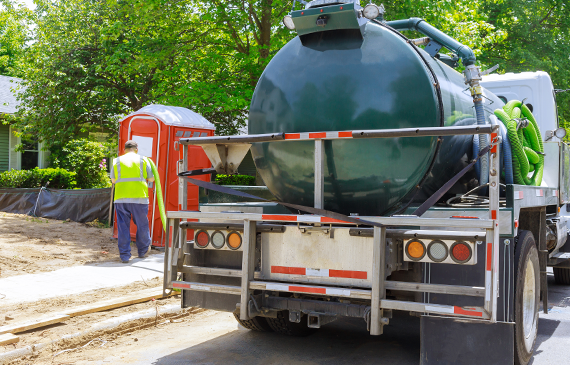
The instinct is to save up and pay cash. But spending $50,000 to $225,000 or more on a single purchase creates a liquidity gap that can stall your core business if something breaks or a major contract falls through.
Strategic equipment financing lets the expansion pay for itself from day one… and keeps your reserves where they belong.
Signs Your Septic Business Is Ready to Expand into New Territory
Recognizing the Capacity Ceiling
Established operators often hit a capacity ceiling before they realize it.
- The first sign: your dispatcher is consistently turning away calls from areas you don’t serve. You’re not just losing a lead… you’re handing that customer to a competitor.
- The second sign is rising repair bills on overworked equipment. When maintenance costs climb faster than revenue, demand has outrun your capacity.
A useful benchmark here is the total cost of septic truck ownership (not just the purchase price), but insurance, maintenance reserves, fuel, and downtime. When aging trucks start showing up in that calculation more than they should, it’s a signal to add to the fleet rather than keep patching.
The Financial Green Light
Before committing to a new territory, confirm you have all three of these:
- Steady cash flow: Your main operation covers all existing overhead and debt obligations comfortably.
- A ready second-in-command: A lead technician or operations manager who can take ownership of the new route.
- Inbound demand: You’re regularly fielding calls from specific geographic areas outside your current map.
The Real Cost of Expanding Your Septic Service Area
Understanding the Full Cost of Septic Truck Ownership
Equipment financing is a type of business loan that allows a company to acquire equipment (like a pumper truck) while spreading low monthly payments over time rather than paying the full price upfront.
The purchase price of a new commercial pumper is just the entry point. The full cost of septic truck ownership includes licensing, insurance, maintenance reserves, fuel, and the revenue lost during any downtime. Operators who account for all of these numbers upfront make better expansion decisions than those who focus only on the sticker price.
Labor and Marketing Logistics
Staffing a new territory requires CDL-certified technicians who understand local regulations. Beyond salaries, count on investing in:
- Recruitment: Signing bonuses, benefits, and training for qualified technicians.
- Local SEO: Ranking for “septic service near me” in new ZIP codes takes time and spend.
- Physical presence: Yard signs, door hangers, and localized direct mail to build brand recognition fast.
Fuel and Disposal Logistics
Early in a new territory, route density is low… meaning more drive time between jobs and higher fuel cost per job completed.
You’ll also need to account for disposal fees at treatment plants in the new area, which may charge higher rates for out-of-county haulers until you establish a regular relationship.
Why Established Septic Companies Choose Financing Over Cash
Preserving Working Capital
Spending $300,000 in cash doesn’t just reduce your bank balance, it removes your safety net.
If your primary truck needs a major repair, a key employee leaves, or a commercial client delays payment, that missing liquidity becomes a real problem. Financing keeps your cash in the business, where it can earn its keep.
Strategic Advantages of Financing a Pumper Truck
- Predictable monthly payments: Fixed costs make it straightforward to calculate the break-even point for a new territory.
- Tax efficiency: Section 179 allows many businesses to deduct the full equipment cost in the year it goes into service.
- Inflation hedge: You repay the loan with future dollars while earning revenue at current rates.
- Staying agile: Keeping cash reserves intact means you can act on other opportunities, like acquiring a competitor’s customer list.
Financing vs. Paying Cash: A Side-by-Side Comparison
| Factor |
Pay Cash |
Finance / Lease-to-Own |
| Upfront cost |
Full price ($150K - $350K+) |
$0 for well-qualified buyers |
| Working capital impact |
Major drain on reserves |
Minimal (reserves stay intact) |
| Tax advantage |
Depreciation spread over years |
Section 179 (full deduction year one) |
| Cash available after purchase |
Depleted |
Preserved for operations, payroll, and emergencies |
| Flexibility to act on opportunities |
Limited |
High (reserves intact) |
Why Delaying Expansion Costs More Than You Think
A 24-month savings plan to buy a pumper outright means 24 months of missed jobs in that territory.
At typical septic service rates, that’s potentially hundreds of thousands in lost revenue… far more than you’d pay in interest on a financed truck. Meanwhile, a competitor who financed their truck today is building customer relationships and brand recognition in the area you’re waiting on.
Controlled Leverage: Two Scenarios
- Scenario A (Pay cash): Growth is slow and reactive. You’re often late to peak demand windows while cash rebuilds between purchases.
- Scenario B (Finance now): The new truck generates $20,000/month in revenue at a 55–65% gross margin. The equipment pays for itself while you keep your core operation fully funded.
How Financing Protects Your Core Business While You Grow
The goal of financing isn’t just to acquire a truck, it’s to prevent the expansion from drawing down the resources your core business depends on.
A financed truck means the new territory carries its own weight from day one, without touching the payroll account that keeps your main routes running.
How Financing Accelerates ROI When Demand Is Already There
Turning Capacity into Immediate Revenue
When you enter a territory where demand already exists, the goal is time-to-profitability. Every day the truck is on the road, it is:
- Generating revenue
- Paying for itself, and
- Building a customer base
Financing gets you there months faster than saving up would.
CALCULATE YOUR LOW MONTHLY PAYMENT
Building Route Density in the New Market
Route density is the number of jobs clustered in a given area on a given day. High route density means less drive time between stops, lower fuel cost per job, and more revenue per shift. Financing a dedicated truck for the new territory lets you build that density without stretching your existing fleet thin across two markets.
A new, warrantied truck also reduces breakdown risk. That’s critical when your reputation in a new area is still being built. One missed appointment or breakdown on a customer’s property in week one sets you back months.
Building Business Credit for Your Next Truck
Every on-time payment on an equipment loan strengthens your business credit profile.
Your third and fourth trucks become easier to finance, at better rates, than your first. That’s the compounding effect of responsible leverage and how local operators become regional players.
Managing Your Fleet as You Scale
When to Replace vs. Repair: The True Cost of Septic Truck Ownership
The full cost of owning a septic truck includes more than the loan or purchase price. It includes:
- Maintenance
- Insurance
- Fuel efficiency
- Downtime
A truck sitting in the shop for three days a month isn’t just costing you repair bills… it’s costing you the revenue from every job it didn’t run.
When older trucks start requiring frequent repairs, financing a newer unit often costs less per month than the combined repair bills and lost revenue. A fixed low monthly payment is predictable. An aging truck’s repair schedule is not.
Adding the Right Trucks for the Right Jobs
Not every territory needs the same equipment. Rural areas with rough terrain may require a heavy-duty 4x4 pumper. Dense suburban routes might call for a smaller, more maneuverable unit. Financing lets you match the right truck to the new market without pulling cash from the suburban operation that’s already profitable.
If expansion means taking on commercial accounts, you may also need specialty equipment like a hydro-excavator for precise digging, or a jetter truck for residential line cleaning. Financing each tool separately keeps capital flexible and lets you match equipment to contracts as they develop.
Protecting Your Investment: Resale Value of Financed Trucks
Modern pumper trucks hold their value well. A truck financed today becomes a trade-in asset in five to seven years — one that offsets the cost of your next purchase. Pumpers built on quality chassis stay in demand on the secondary market, giving your investment a solid floor.
Newer trucks also benefit from improved fuel efficiency and emissions compliance, reducing operating costs and keeping your fleet ahead of regulatory changes. A well-maintained financed truck is a stronger trade-in than a cash-purchased unit that’s been run hard for eight years without a major investment in upkeep.
Real-World Expansion Scenarios for Septic Companies
Adding Capacity for Adjacent Counties
A common approach: finance a high-capacity 2,500-gallon pumper for rural long-haul routes while keeping smaller units on tight suburban jobs. The new truck handles volume and distance in the expansion territory; your existing fleet stays efficient on proven routes.
Fewer disposal trips mean more jobs per shift. Putting the right equipment in the right geography is what separates profitable expansion from expensive overreach.
Adding Portable Sanitation as a Revenue Stream
Portable toilet rentals for construction sites offer something pumping jobs don’t: predictable monthly revenue. Financing a flatbed and a starter inventory of units lets you enter this market without touching the cash your core pumping operation depends on.
Site rentals compound over time. Each contract you land is recurring income, and getting into this market before local competitors establish themselves on job sites is a real strategic advantage.
Financing Specialized Equipment to Win Commercial Contracts
Commercial accounts often require capabilities beyond standard pumping. A hydro-excavator opens up utility and excavation work. A camera inspection truck positions you for diagnostic contracts and commercial inspections.
Financing these tools lets you compete for higher-margin work without depleting the reserves your current operation needs.
How Beacon Funding Works for Established Septic Businesses
Who Qualifies for Septic Equipment Financing?
Beacon Funding specializes in equipment financing for service businesses, including established septic operators.
Qualification is based on the overall health of your business, not just credit score. Businesses that have been operating for two or more years with steady cash flow typically qualify. Both new and used pumper trucks, hydro-excavators, jetter trucks, and portable sanitation equipment are eligible.
Financing Options: Equipment Loans vs. Lease-to-Own
Beacon Funding offers two main paths:
- Equipment loan: You own the truck from day one. Payments are fixed, and you build equity in the asset immediately. Best for operators who plan to keep the truck long-term.
- Lease-to-own: Lower monthly payments with a purchase option at the end of the term. Best for operators who want to preserve cash flow and keep flexibility as the new territory matures.
Applications are reviewed and approved within 24 to 48 hours.
Ready to Expand Your Septic Service Area?
You’ve built a business worth growing. The question isn’t whether the neighboring territory is ready, it’s whether you have the equipment to take it.
Visit Beacon Funding’s equipment financing for septic companies to explore your options and get a decision in as little as 24 hours.
GET STARTED NOW
Frequently Asked Questions About Septic Truck Financing
What is the average monthly payment on a septic truck loan?
Monthly payment amounts vary based on the truck price, term length, down payment, and your business qualifications. For a more accurate estimate, use Beacon Funding’s equipment financing calculator to explore payment scenarios based on your equipment and financing needs.
How much does a septic truck cost to buy, and how much do I need down?
A new commercial pumper truck typically costs between $50,000 and $225,000 depending on tank capacity and configuration.
Can I finance a used septic pumper to expand into a new area?
Yes. Used pumper trucks are eligible for financing through Beacon Funding. See financing options for new and used septic trucks.
Will equipment financing affect my personal credit?
Business equipment financing through Beacon Funding is structured under your business entity, which means the debt generally doesn’t appear on your personal credit report. This protects your personal credit. Contact Beacon Funding to understand how business financing is structured.
How do I qualify for septic truck financing through Beacon Funding?
Beacon Funding works with established septic businesses that have been operating for two or more years with steady cash flow. Start your septic equipment financing application at Beacon Funding.