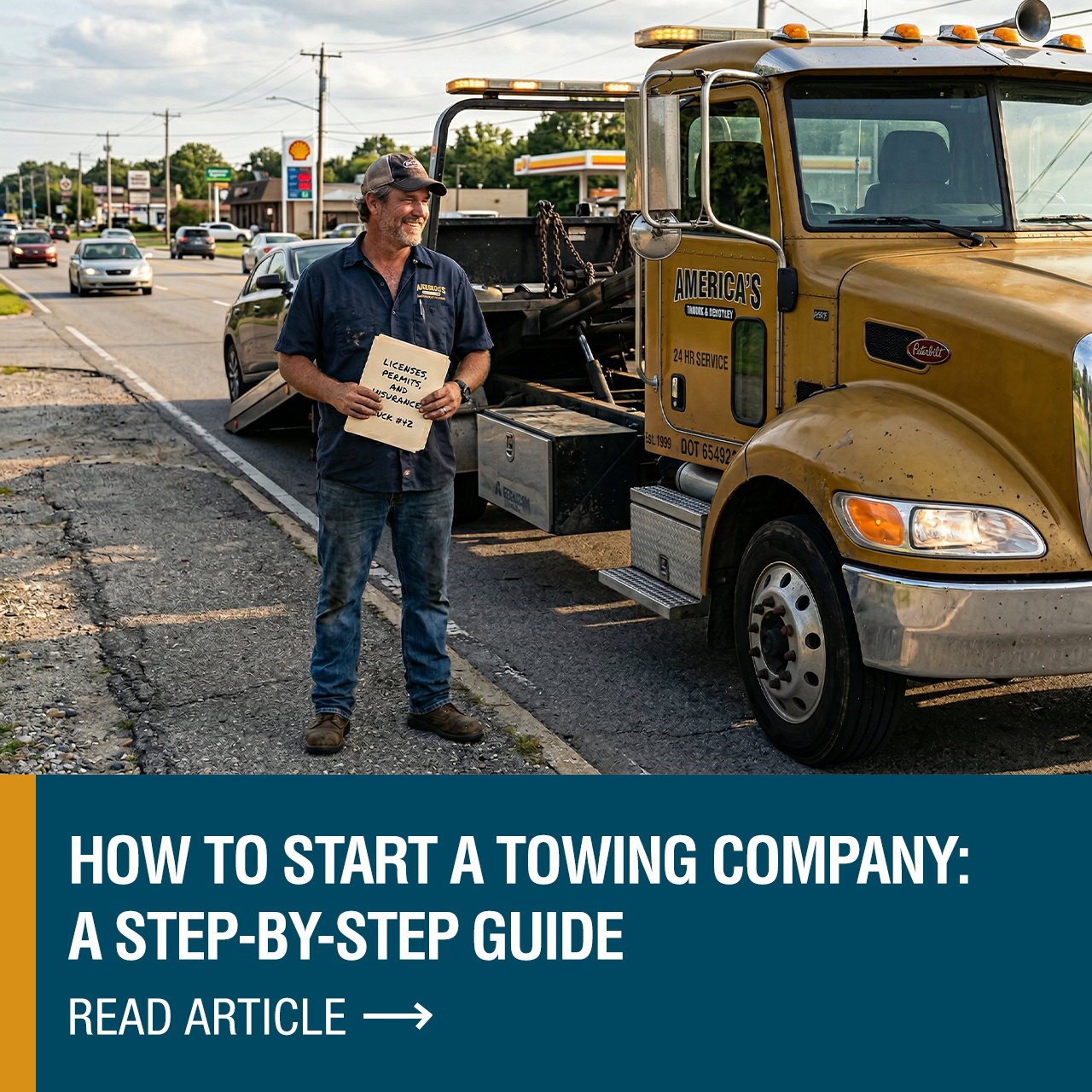
Many hardworking people are searching for new ways to achieve greater financial stability and long-term growth.
One promising opportunity lies in the towing industry, which has proven to be a reliable and expanding market.
But the key question is: What steps should you take to successfully start a towing company?
The demand for towing services has been climbing in the United States at a compound rate of 5.4% over the past five years. The industry is heading towards new growth milestones in the upcoming years, and it is projected to reach a whopping $14.5 billion in revenue by 2025.
The reason behind this steady growth is the increasing number of vehicles on the roads and the inevitable roadside emergencies that follow.
The towing industry offers strong income potential for entrepreneurs seeking stability and scalability. It is also considered future-proof, as vehicles are not disappearing from roadways anytime soon.
Beyond revenue, towing companies provide an essential community service by assisting drivers in their local neighborhoods during stressful situations.
However, launching a successful towing business requires careful planning. You'll need a sizable upfront investment, a commitment to safety compliance, and a strong focus on delivering reliable service to your local market.
In this article…
- Conduct Market Research
- Develop a Comprehensive Business Plan
- Obtain Licenses, Permits, and Insurance
- Purchase Equipment and Vehicles
- Get On The Road Faster with Tow Truck Financing
- Hire and Train Staff
- Set Up Your Operations
- Market Your Towing Company
- Focus on Customer Service and Growth
Step 1: Conduct Market Research
Before investing time and capital, conducting thorough market research is essential.
There are approximately 70,000 tow companies in the United States alone, serving millions of people in America annually. While competition is high, this also confirms consistent and ongoing demand.

Start by evaluating local market conditions
Drive through your intended service area and observe existing competitors, the services they offer, and their response times.
Speak directly with:
- Local repair shops
- Insurance agencies
- Police departments
Those discussions can uncover service gaps and pain points with current providers.

Next, define your target customer segments
These typically include:
- Individual drivers needing emergency towing
- Commercial fleets requiring routine or scheduled towing
- Municipalities handling traffic incidents
- Auto dealerships needing a vehicle transport
Each customer type requires different service levels, pricing structures, and response expectations.
Finally, decide which services you'll offer initially
Emergency towing remains the foundation for most companies.
However, roadside assistance accounted for nearly 30% of all towing calls in 2023, making it a valuable revenue stream.
Additional options include heavy-duty towing, motorcycle towing, or specialized services such as luxury or exotic vehicle transport.
Step 2: Develop a Comprehensive Business Plan
Your business plan serves two purposes.
- It acts as a roadmap for daily operations and a tool for securing financing.
- Clearly outline measurable business goals and your long-term growth vision.
These objectives will guide decision-making and help keep your company aligned as it scales.
Financial projections are critical
Most towing companies generate $200,000 to $500,000 annually, depending on location, fleet size, and services offered. Be sure to account for seasonal fluctuations, as winter months often see increased activity from weather-related incidents.
Choosing the right legal structure is equally important. Many towing companies operate as Limited Liability Companies (LLCs) due to liability protection and tax flexibility.
Still, consult both an attorney and an accountant to determine the best structure for your specific situation.
Step 3: Obtain Licenses, Permits, and Insurance
Towing regulations vary by state, and compliance is mandatory.
Some states require special licenses in addition to commercial driver's licenses (CDLs).
Check with your state’s department of transportation or regulatory agency to confirm all local requirements. These may include business licenses, vehicle registrations, and permits for operating on certain roadways or during restricted hours.
Insurance is the largest ongoing expense in the towing industry and also the most important. Annual insurance costs per truck typically range from $2,000 to $15,000, depending on coverage, driver history, and company size.
Required policies usually include:
- General liability
- Commercial auto insurance
- Garage keeper's liability
- Workers' compensation
Work with an insurance broker who specializes in towing operations. This helps ensure proper coverage while avoiding unnecessary or overlapping policies.
Step 4: Purchase Equipment and Vehicles
Your equipment choices directly impact startup costs and operational capacity.
New light-duty tow trucks often cost between $95,000 and $160,000, but high-quality used trucks can significantly reduce initial expenses.
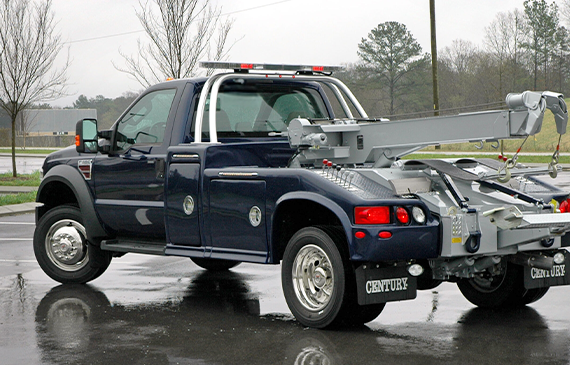
Select vehicles based on your service area.
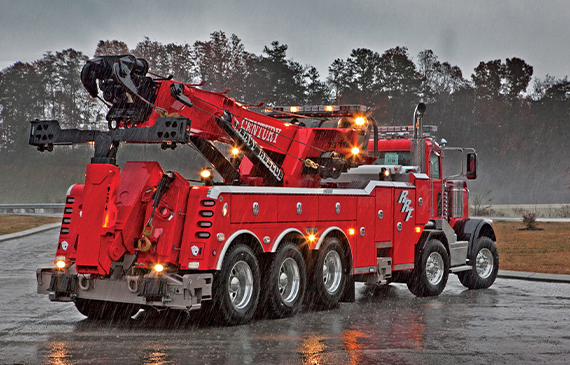
Urban environments typically require smaller, more maneuverable trucks, while highway or rural areas may demand heavy‑duty models capable of long-distance and large-vehicle recovery.
In addition to tow trucks, invest in essential equipment:
- Safety gear (reflective vests, cones, flares)
- Hand tools
- Communication devices
- GPS and dispatch technology
Professional, well-maintained equipment improves safety and boosts customer confidence.
Establish a routine inspection and maintenance schedule from day one
Unexpected vehicle downtime directly impacts revenue, while preventive maintenance ensures regulatory compliance and reduces long-term repair costs.
Step 5: Get on the Road Faster with Tow Truck Financing
One of the biggest obstacles new towing businesses face is the high cost of acquiring a tow truck.
With new light-duty tow trucks often costing between $95,000 and $160,000, paying outright is unrealistic for many startups.
Using too much cash upfront can also strain working capital, making it harder to cover insurance, fuel, staffing, and day‑to‑day operating expenses.
Tow truck financing helps address this challenge by allowing businesses to spread the cost of equipment over time rather than making a single large purchase.
Understanding Tow Truck Financing
Tow truck financing enables new and growing towing companies to acquire equipment while preserving cash flow. Financing may be available for both new and used tow trucks and is typically structured with fixed monthly payments.
CALCULATE YOUR TRUCK'S LOW MONTHLY PAYMENT
For startups, this approach shortens the timeline between business planning and active operations. Instead of delaying launch to save capital, financing allows the business to begin generating revenue sooner while keeping funds available for other startup necessities.
Case Study: How Financing Supported a Start-up Tow Truck Business
A start-up towing business established in 2025 was preparing to launch operations but lacked the capital needed to purchase a tow truck outright.
The owner had industry experience and a clear service plan but wanted to avoid draining cash reserves before the business was operational. To move forward, the company chose to finance a used 2019 rollback tow truck.
By financing the truck, the business was able to:
- Begin operations without delay
- Preserve cash for insurance, licensing, and marketing
- Accept service calls immediately and establish local relationships
Within its first year, the business built steady call volume through roadside assistance and referral partnerships. Revenue from the first truck supported operating expenses and allowed the owner to focus on improving response times and customer service.
Why Financing Is a Practical Strategy for New Towing Companies
For many towing startups, financing is less about affordability and more about flexibility.
It allows businesses to:
- Maintain working capital during early operations
- Align vehicle payment with revenue generation
- Scale equipment as demand grows
- Avoid delaying growth due to large upfront costs
By treating tow trucks as revenue-producing assets rather than one-time purchases, financing can support steady and sustainable growth.
Step 6: Hire and Train Staff
Hiring skilled drivers is one of the industry's biggest challenges.
The broader trucking industry faces shortages due to demanding work conditions and an aging workforce.
Prioritize experience and clean driving records over lower wages. Experienced drivers reduce liability, handle complex situations more effectively, and provide higher-quality customer service.
Provide comprehensive training in:
- Safety procedures
- Equipment operation
- Customer service standards
Even experienced drivers benefit from company-specific training and equipment familiarization. Regular refresher training helps maintain consistency and performance.
Clearly defined company policies, like uniform standards or emergency procedures, reduce confusion and ensure professional representation at every customer interaction.
Step 7: Set Up Your Operations
Your operational setup has a direct impact on efficiency and profitability.
Secure a properly zoned storage lot with adequate space for staging vehicles and equipment.
Include office space for dispatching, billing, and customer communications.
Implement modern dispatch and communication systems. GPS-based dispatch software improves routing, reduces response times, and provides valuable data for performance optimization.
Many systems integrate with mobile apps for real-time driver communication.
Step 8: Market Your Towing Company
Digital visibility is critical.
Over 88% of consumers search online for local services using mobile devices, making online marketing essential. Build a professional website optimized for local search results. Ensure your company appears when customers search for towing services in your area.
Utilize search engine optimization (SEO), social media marketing, and local advertising to reach your target audience. Consistent branding across all platforms builds recognition and trust in your market.
Develop referral relationships with:
- Auto repair shops
- Insurance companies
- Law enforcement agencies
- Car dealerships
These partnerships often generate reliable, recurring business beyond emergency calls.
Step 9: Focus on Customer Service and Growth
Exceptional customer service is a key differentiator in the towing industry. Customers are often stressed, stranded, and frustrated when they call for help.
A calm, courteous, and professional response creates lasting impressions and repeat business.
Train staff to communicate clearly, arrive promptly, and handle vehicles with care. Actively collect customer feedback and use it to improve operations. Online reviews strongly influence local service decisions, making customer satisfaction a direct driver of growth.
Once your business is established, begin planning for expansion. Consider adding specialized services such as motorcycle towing or luxury vehicle transport.
You may also expand through acquisitions to increase market share.
Is Starting a Towing Company Right for You?
Starting a towing company requires planning, capital investment, and consistent effort.
However, the industry's stability and ongoing demand present genuine opportunities for motivated entrepreneurs.
Successful towing companies are built on three core pillars:
- Operational efficiency
- Exceptional customer service
- Sound financial management
With detailed local research, disciplined financial planning, and a commitment to professional standards, your towing business can stand out, even in a competitive market.
Frequently Asked Questions
Is tow truck financing available for new or start-up businesses?
Yes. Lenders like Beacon Funding offer tow truck financing for both start‑up and established towing companies. Financing may be available for new or used tow trucks and is typically structured with fixed monthly payments. This can help new businesses acquire equipment while preserving working capital for operating expenses.
Can you start a towing business with one truck?
Yes, and it’s actually one of the most common ways towing businesses get started.
From what we see at Beacon Funding, many first‑time towing business owners launch with a single tow truck and grow from there. Starting with one properly equipped truck allows you to begin generating revenue right away, build relationships with local repair shops and insurance providers, and better understand demand in your service area.
Financing that first truck can also help preserve cash for insurance, licensing, and operating expenses—giving you the flexibility to grow at a comfortable pace.
What makes a towing company successful long term?
In our experience working with towing businesses across the country, long‑term success usually comes down to three key factors:
- Operational efficiency – Reliable equipment, organized dispatching, and minimal downtime
- Exceptional customer service – Professional drivers, fast response times, and clear communication
- Sound financial management – Controlling costs, managing cash flow, and investing in growth at the right time
At Beacon Funding, we often see the most successful towing companies treat their equipment as revenue‑producing assets. By using financing strategically, business owners are able to upgrade or expand their fleet without slowing momentum, positioning themselves for steady growth over time.