A new mini excavator can cost about $31,000 to more than $85,000 in 2026, depending on its size, brand, features, and attachments. Used mini excavators can cost less, but the price depends on age, hours, condition, and maintenance history.
If you own a landscaping, hardscaping, or light construction business, here’s what you need to know before buying or financing one.
In This Article…
- How Much Does a Mini Excavator Cost?
- What Affects the Price of a Mini Excavator?
- What Other Costs Should You Budget For?
- What Can You Use a Mini Excavator For?
- Should You Buy or Rent a Mini Excavator For?
- How Can You Finance a Mini Excavator?
- What Should You Look for When Buying a Mini Excavator?
- Frequently Asked Questions
How Much Does a Mini Excavator Cost?
A new mini excavator typically costs about $30,000 to $100,000 in 2026, depending on the machine’s size, capabilities, and brand. Used mini excavators generally range from about $18,000 to $90,000, with price varying based on the model year, operating hours, condition, service history, and included attachments.
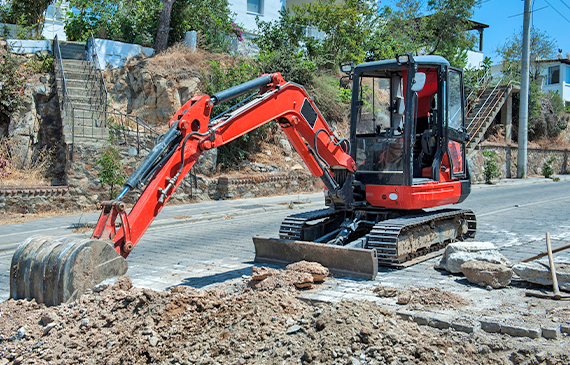
If purchasing a mini excavator outright isn’t the right fit for your business, equipment financing can help spread the cost into monthly payments. Beacon Funding offers financing for both new and used equipment, giving businesses another way to manage the upfront cost of a mini excavator.
|
Equipment
|
Price Range
|
Est. Monthly Payment with Beacon Funding*
|
| New mini excavator |
$30,000–$100,000 |
As low as $575 – $1,902 per month |
| Used mini excavator |
$18,000–$90,000 |
As low as $345 – $1,715 per month |
*Estimated payments are based on a 60-month term and calculated using the Beacon Funding equipment financing calculator. Actual payments depend on credit approval, down payment, and the equipment financed.
CALCULATE YOUR LOW MONTHLY PAYMENT
Mini Excavator Cost Composition
The cost of a mini excavator can vary significantly by manufacturer, model, age, and equipment configuration. The following ranges provide approximate pricing for budgeting purposes:
|
Manufacturer
|
Model
|
Approx. New Starting Price
|
Approx. Used Price (2022 - 2024 Models)
|
| Kubota |
U10-5 |
$30,000 - $35,000 |
$18,000 - $26,000 |
| Kubota |
U2704 |
$40,000 - $50,000 |
$29,000 - $42,000 |
| Kubota |
U48-5 |
$70,000 - $80,000 |
$52,000 - $74,000 |
| Bobcat |
E35 |
$55,000 - $65,000 |
$32,000 - $55,000 |
| Bobcat |
E55 |
$80,000 - $90,000 |
$65,000 - $74,000 |
| Bobcat |
E60 |
$90,000 - $100,000 |
$47,000 - $90,000 |
Watch: How Equipment Financing Helps You Grow
Knowing the price range is only half the equation. Watch below as Beacon Funding’s Tom Rahlfs, CLFP breaks down how financing can lower your upfront costs and answers the questions landscaping business owners ask most.
Knowing the price range is only half the equation. Watch below as Beacon Funding’s Tom Rahlfs, CLFP breaks down how financing can lower your upfront costs and answers the questions landscaping business owners ask most.
What Affects the Price of a Mini Excavator?
The right machine for your business may not be the biggest or newest one. These are the main things that affect the price.
Size
Larger mini excavators usually cost more because they offer more digging power and reach.
A smaller machine may be enough for:
- Residential landscaping
- Drainage
- Irrigation
- Small yards
- Tight job sites
Larger machines may be a better fit for heavier landscaping, hardscaping, or light construction work.
New vs. Used
Used equipment can lower your upfront cost, but it is important to check the machine before you buy it.
Look at:
- Operating hours
- Service records
- Engine condition
- Hydraulic system
- Tracks and undercarriage
- Leaks or visible damage
- Included attachments
Beacon Funding offers financing options for qualifying used equipment, including equipment purchased from third-party sellers. This gives you more flexibility when looking for a used machine that fits your work and budget.
Size and Features
Mini excavators fall into general size classes based on operating weight, and price typically tacks with class:
- Under 1 ton: Best for tight spaces and light yard work.
- 1 to 2 tons: Handles trenching and utility installation up to 7 - 8 feet deep
- 3 to 5 tons: The most versatile class, suited for driveway leveling, hot tub installation, and general landscaping and hardscaping work.
- 5 to 10 tons: Built for larger jobs like pool installation, utility trenching, and footings.
Beyond size class, a few features consistently move the price:
- Cab type: An enclosed, heated and air-conditioned cab costs more than an open-station design
- Zero tail swing: Reduces the machine's rotation radius for tight jobsites, often at a premium
- Hydraulic flow and horsepower: HIgher hydraulic output, needed to run attachments like augers or hydraulic thumbs, increases both capability and cost
- Attachment compatibility: Quick-attach couplers add convenience and cost but let you switch between buckets, augers, and grading blades without extra labor
The right combination of size and features depends on the jobs you tak on most often.
Where a Mini Excavator Fits Your Jobs
For landscaping and hardscaping businesses, a mini excavator can handle digging, trenching, grading, and other common site-prep tasks. Having the right equipment on hand means less reliance on manual labor, which can also help save money and speed up project timelines.
Attachments
Attachments can make a mini excavator useful for more types of jobs.
Common options include:
- Buckets
- Augers
- Hydraulic breakers
- Thumbs
- Grapplers
If you need attachments, include them in your total equipment budget.
What Other Costs Should You Budget For?
The purchase price is only one part of owning a mini excavator.
You may also need to budget for:
- Fuel
- Insurance
- Maintenance
- Repairs
- Replacement parts
- Transportation
- Storage
- Attachments
- Financing costs
A lower-priced machine may not be the better deal if it needs frequent repairs. Before buying, look at what the machine will cost you over time, not just the price on the sales quote.
What Can You Use a Mini Excavator For?
Mini excavators can handle many landscaping and hardscaping jobs. Their smaller size can also make them useful when working in tight spaces.
Landscaping and Site Preparation
A mini excavator can help clear and prepare an area before a landscaping project.
Digging and Trenching
Use one to dig trenches for:
- Drainage
- Irrigation
- Utilities
- Planting
Grading
With the right attachment, a mini excavator can help level and shape the ground for lawns, patios, walkways, and other projects.
Demolition
Remove patios, sheds, decks, and other light structures.
Tree and Brush Removal
Remove trees, shrubs, roots, and stumps.
Hardscaping
Building patios, retaining walls, drainage systems, and other outdoor projects.
Should You Buy or Rent a Mini Excavator?
It depends on how often you need the equipment.
Financing may make sense if you use it regularly.
| Your situation |
Option to consider |
| One short project |
Rent |
| Occasional use |
Rent |
| Regular jobs |
Buy or finance |
| Frequent use across many jobs |
Buy or finance |
Before deciding, compare the cost of renting with the expected cost of ownership, maintenance, transportation, and storage.
How Can You Finance a Mini Excavator?
A mini excavator can be a large purchase for a small business. Paying the full cost upfront uses cash that your business can put towards payroll, materials, fuel, repairs, and other expenses.
Equipment financing lets you spread the cost of the equipment over low monthly payments instead of paying the full price upfront.
Beacon Funding currently offers financing for new and used mini excavators, with financing amounts starting at $10,000 and options up to $500,000 or more. Financing terms range from 24 to 84months, subject to approval.

Financing may help you:
- Keep more cash available
- Get equipment sooner
- Spread a large purchase over time
- Finance new or used equipment
- Match payments with your business budget
At Beacon Funding, qualified businesses may be eligible to finance up to 100% of the equipment's value.
GET STARTED NOW
What Should You Look for When Buying a Mini Excavator?
Before choosing a machine, ask:
- What type of work will I use it for?
- How much power do I need?
- Will it fit my usual job sites?
- Which attachments will I need?
- Should I buy new or used?
- What will maintenance and repairs cost?
- How much cash will I have left after the purchase?
- Will the machine help me take on more work?
The best machine for your business is the one that can handle your regular work without putting unnecessary pressure on your budget.
Frequently Asked Questions
How much does a mini excavator cost in 2026?
New mini excavators currently start at about $31,000 and can cost more than $85,000. Used machines may cost less, but the price depends on age, hours, condition, and equipment.
Can I finance a used mini excavator?
Yes. Beacon Funding offers financing for qualifying used equipment, including equipment purchased from vendors and private sellers.
Can I finance 100% of a mini excavator?
Qualified businesses may be able to finance up to 100% of the equipment value through Beacon Funding. Approval and terms depend on the business, equipment, and financing program.
Should I buy or rent a mini excavator?
Renting can make sense when you only need a machine for a short project. Buying or financing may make more sense when you use the equipment regularly and expect it to help your business take on more work.
Is a Mini Excavator a Good Investment for a Landscaping Business?
A mini excavator can be a useful investment if your business has regular work for it. It can help with digging, grading, site preparation, demolition, and other jobs.
Before buying, compare the equipment’s price with how often you expect to use it and what it will cost to maintain. If paying the full price upfront would put pressure on your cash flow, financing may help you get the equipment you need while keeping money available for other business expenses.