Since millions of homes and businesses rely on septic systems rather than city sewers, the demand for septic services never really goes away.
Starting your own septic company can be a smart move if you want to run a business with high demand. Homes and businesses with a septic system need regular pumping, inspection, and maintenance. This shows how many opportunities there are for steady income streams and growth.
Studies show that the average cost of a septic system is $8,000 in the United States, with most systems costing between $4,000 and $12,000.
However, if you want to run a service-based company, you must know that in these businesses, success does not happen overnight. It takes hard work, planning, the right equipment, and even licensing.
When you have a proper strategy in place, it helps build trust with your customers, and by following some steps, you can put yourself in a strong position to grow and establish a profitable septic company.
In this article, you will learn ten steps you can take towards starting your own septic company.
Follow These Steps to Start a Septic Company
- Learn Your Market
- Write a Solid Business Plan
- Understand the Startup Costs
- Get the Proper Licenses and Permits
- Buy and Finance The Right Equipment
- Hire Good Team Members
- Market Your Business
- Deliver Great Customer Service
- Plan for Growth
- Keep Learning and Improving
Step 1: Learn Your Market
The septic tanks market size in the US was valued at USD 5.27 billion in 2024 and is anticipated to reach around USD 7.38 billion by 2034, growing at a CAGR of 3.42% over the forecast period 2025 to 2034.
Before you jump in, it’s important to understand the septic industry in your area. Asking a few questions can help.
- How many houses in your area use septic systems instead of public sewers?
- Are competitor companies already solving these issues?
- What are the gaps that exist? This could mean slow responses, lack of availability for emergencies, or bad reviews. See what can be a differentiator.
- What services are most in demand (pumping, inspections, repairs, or installations)?
Doing this research will show you if your community can support another septic company. It also helps you spot ways to set yourself apart from competitors.
For example, maybe your town has long wait times for service, or perhaps no one offers advanced tank inspections. Identifying those opportunities early can shape your business plan.
Step 2: Write a Solid Business Plan
A business plan is more than just paperwork, it’s your roadmap. This document will guide your decisions and help you stay focused as you grow. Lenders and financing partners will also want to see if you apply for funding.
Here’s what your septic business plan should include.
Your business plan should start with an executive summary, which is a quick overview of your goals and mission. Next comes the market analysis, where you explain what you found in your research, including details about your target customers and competitors.
Then you move on to the services offered, such as pumping, cleaning, inspections, repairs, installations, or even all of these together. After that, you need to cover pricing and show how you plan to stay ahead of the competition while still making a profit. The operations section explains your staff, the tasks you schedule, and the way your daily workflow will run.
Following this, you set a marketing goal that shows how you will reach new customers and keep them satisfied. Finally, the financial plan outlines your startup costs, projected revenue, and any funding requirements you’ll need to get started.
Even if you’re starting small, having this plan in writing helps you stay organized and makes you more confident when talking to banks or equipment lenders.
Step 3: Understand the Startup Costs
Starting a septic company requires more upfront investment than some other service businesses, mainly because of the equipment involved.
You’ll need to plan for the following:
- Vacuum Truck: The biggest investment. New pumper trucks can cost anywhere from $125,000 - $250,000+ (depending on the tank size).
- Septic Pump and Hoses: Essential tools for every job.
- Protective Gear: Gloves, boots, and safety equipment for you and your team.
- Storage Yard or Facility: Depending on local regulations, you may need a designated space for your truck and equipment.
- Insurance: General liability, vehicle insurance, and workers' compensation if you hire staff.
- Licensing and Permits: State and local fees vary but should be budgeted upfront.
Since trucks and pumps are costly, many new septic business owners finance them instead of paying cash. Partnering with an equipment financing company, especially one that specializes in approving start-ups, can make it easier to get started while preserving your savings for other business expenses.
TAKE FIRST STEP TOWARDS START-UP FINANCING
Step 4: Get the Proper Licenses and Permits
Septic services are regulated because of the environmental impact. Before you can start operating, you’ll need to secure the proper licenses and permits in your state.
These may include a septic contractor’s license issued by the state, environmental permits for handling and transporting waste, truck registration, and a business license for your company. Many states also require a Commercial Driver's License (CDL) to operate a septic pumper truck.
Check your state and local government websites for specific requirements. Getting licensed not only keeps you compliant but also gives your customers peace of mind knowing they’re hiring a certified professional.
Step 5: Buy and Finance The Right Equipment
Your septic truck and pump form your business. Without reliable equipment, you can’t serve your customers or grow your company.
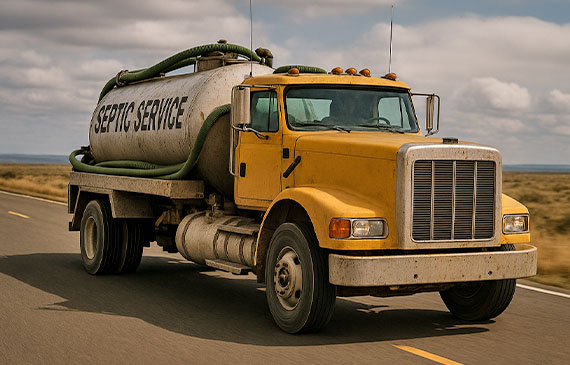
Key equipment includes the following:
- Vacuum Truck: To pump and transport waste.
- High-Powered Pump: To handle tanks efficiently.
- Hoses, Valves, and Fittings: Durable and long enough for different jobs.
- Inspection Tools: Cameras and diagnostic tools for advanced services.
Since these items can be expensive, many septic business owners turn to equipment financing. Financing lets you spread out payments over time with low monthly payments so you can get the equipment you need without draining your cash savings.
SEE MORE BENEFITS OF EQUIPMENT FINANCING
Step 6: Hire Good Team Members
Most new business owners want to take care of all the work by themselves, but you will grow eventually, and work will become harder to manage. That's when you will need a team you can rely on.
Some common roles include the following:
You will need technicians to handle the technical components like pumping, repairs, etc.
In the beginning, technicians often double as drivers. As you grow, you may add more drivers, technicians, and eventually office staff for scheduling and customer service.
Hiring skilled workers takes time, but it also frees you up to focus on running and growing the business.
Step 7: Market Your Business
Customers won’t know you exist unless you get the word out. A strong marketing plan should include both online and offline strategies.
- Build a Website: Showcase your services, service area, and contact information.
- Google Business Profile: Helps you show up in local searches when someone types “septic pumping near me.”
- Social Media: Share maintenance tips, before-and-after photos, and customer reviews.
- Networking: Connect with plumbers, realtors, and construction companies who can refer business to you.
- Truck Branding: Your truck is a rolling advertisement -- add your logo and phone number.
Word of mouth is powerful in this industry. Delivering excellent service will lead to repeat business and referrals.
Step 8: Deliver Great Customer Service
Septic services aren’t something homeowners look forward to buying, but they are necessary. The way you treat your customers can make all the difference.
- Show up on time and be professional.
- Explain the process clearly so customers feel comfortable.
- Offer maintenance tips that help them extend the life of their system.
- Be available for emergencies, 24/7 service can set you apart from competitors.
Happy customers will call you back the next time they need service, and they’ll recommend you to neighbors and friends.
Step 9: Plan for Growth
Once your business is up and running, think about ways to expand.
Some growth opportunities include:
- Adding additional trucks to cover more jobs.
- Offering septic system installations or repairs.
- Partnering with builders and real estate agents for steady referrals.
- Expanding your service area to nearby towns.
Growth usually means more equipment, and that’s where financing can help again. Instead of waiting years to save up for another truck, you can finance one sooner and take on more business.
GET STARTED WITH SEPTIC TRUCK FINANCING
Step 10: Keep Learning and Improving
The septic industry changes with new regulations and technology.
Stay informed by:
- Attending industry conferences or trade shows.
- Joining professional associations.
- Taking continuing education courses for licensing renewals.
- Networking with other contractors to share insights.
The more you learn, the better positioned you’ll be to adapt and keep your company competitive.
Recap
It is not easy to start and run your septic company, but if you are able to do so, it can be a very rewarding business with steady income streams and growth potential. All it takes is a good understanding of the market, a plan, licenses, financing, and a focus on serving customers effectively. Do this and you are already moving towards success.
When you create a business plan that is practical, it can help you stay focused and organized, while securing the proper licenses and permits ensures you operate legally and professionally.
Financing makes it easier to get started without draining your savings, and delivering excellent service helps you build trust and repeat customers. With patience, planning, and dedication, your septic company can grow into a thriving, long-term business.
Get Equipment Fast and Easily with Septic Truck Financing
And remember, you don’t have to do it alone. Financing partners who specialize in financing start-ups, like Beacon Funding, can help you secure the trucks and equipment you need, so you can focus on growing your business without putting all your savings on the line.
GET STARTED WITH SEPTIC TRUCK FINANCING